WESTERN NORTH STAKEHOLDERS’ ENGAGEMENT ON REVIEW OF 2020 NATIONAL SECURITY STRATEGY: REGIONAL MINISTER CALLS FOR STRONGER SECURITY MEASURES
The Western North Regional Minister, Wilbert Petty Brentum, has called for practical measures to strengthen the region’s security architecture amid emerging threats, including cybercrime, illegal arms trafficking, organised crime and cross-border insecurity.
He made the call on Wednesday, October 7, 2026, at a stakeholders’ engagement organised by the National Security Council (NSC) Secretariat at Sefwi Datano in the Sefwi Wiawso Municipality of the Western North Region to solicit regional inputs for the review of Ghana’s 2020 National Security Strategy (NSS).
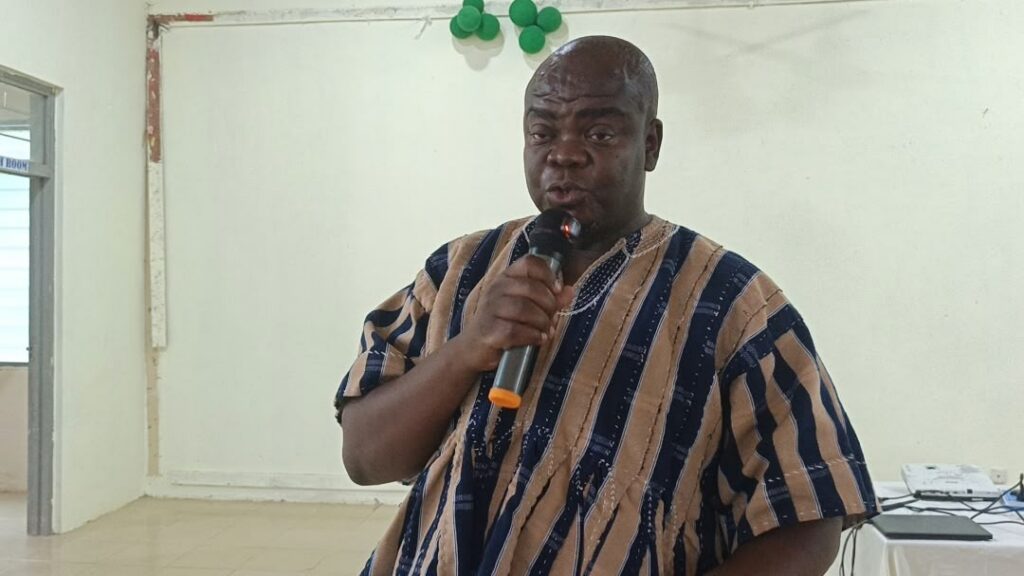
In an address delivered on his behalf by the Deputy Regional Planning Officer, Abdul-Razak Monyun, Mr. Brentum stressed the need for the revised strategy to reflect the region’s unique geographical, socio-economic and security challenges.
He urged stakeholders to propose practical interventions that would strengthen intelligence gathering, border management, community policing, technological modernisation and the prevention of violent extremism.
He also called for greater public participation in security management, emphasising that national security was not the sole responsibility of security and intelligence agencies.
“National security is not the sole responsibility of our security and intelligence agencies,” he stated, urging residents to remain vigilant, share credible information and report emerging threats before they escalated.
Mr. Brentum said the success of the strategy should be measured not only by the absence of conflict but also by public confidence in institutions responsible for protecting lives, property and the country’s constitutional order.
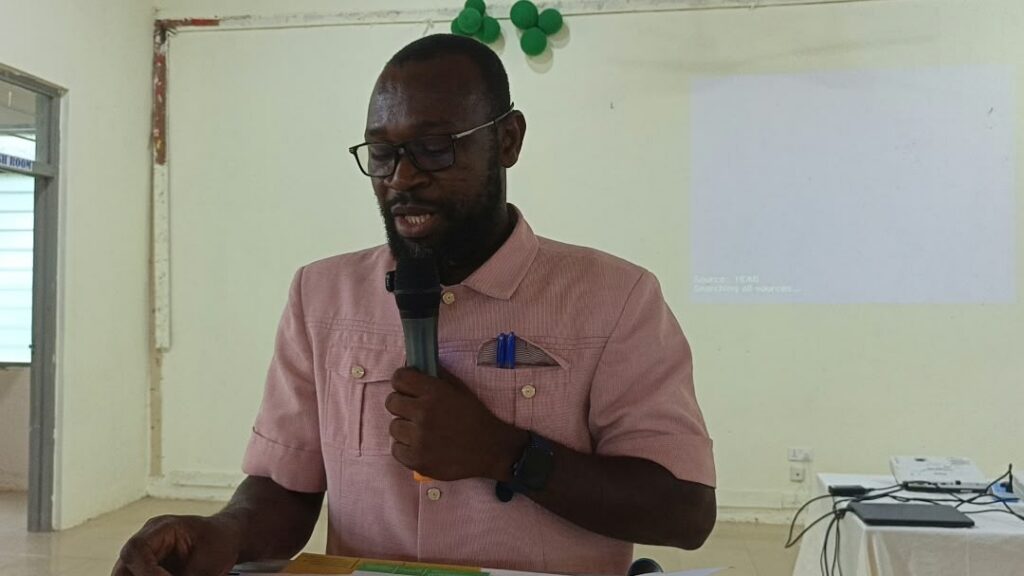
The Technical and Intelligence Adviser to the National Security Coordinator, Dr. Bako Mohammed, said emerging threats, including misinformation, disinformation, cybercrime, data theft and climate change, had necessitated a comprehensive review of the existing strategy.
He explained that the regional consultations were intended to obtain grassroots perspectives, assess them against the NSC Secretariat’s draft and submit relevant recommendations to the Review Committee for consideration.
Dr. Mohammed further cautioned that Western North’s strategic location required heightened vigilance against the region being exploited as a transit route for illegal trade, drugs and weapons, as well as terrorism and other transnational crimes.
He said national security required a collective effort, noting that its ultimate purpose was to ensure that citizens could live and pursue their lawful activities in peace and safety.
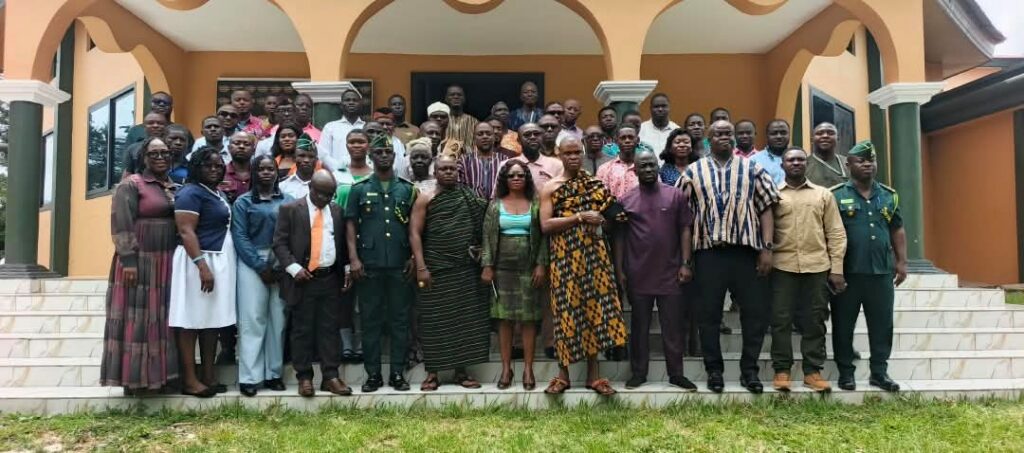
The engagement brought together traditional leaders, security officials, clergy, students, farmers, traders, transport operators, civil society organisations, persons with disabilities, heads of decentralised departments and agencies, and media practitioners.
The consultations are expected to inform the development of a revised National Security Strategy for 2026–2030, ensuring that national security planning responds to evolving threats and regional realities.